Biography
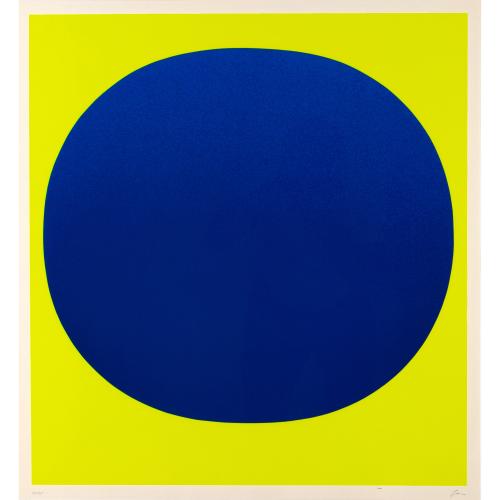
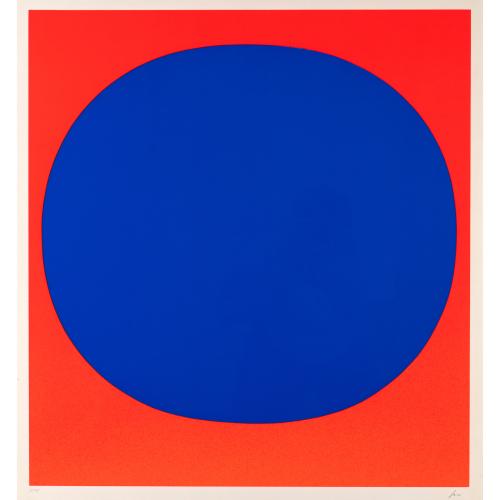
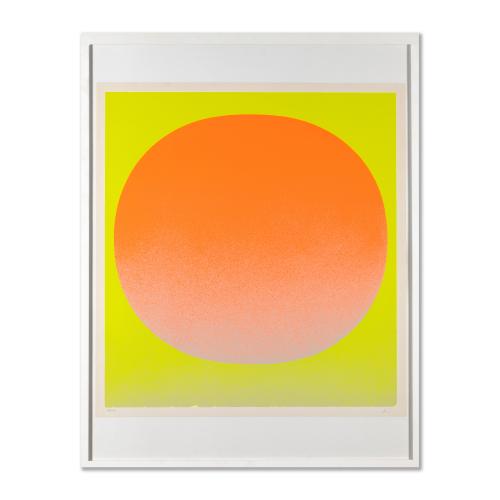
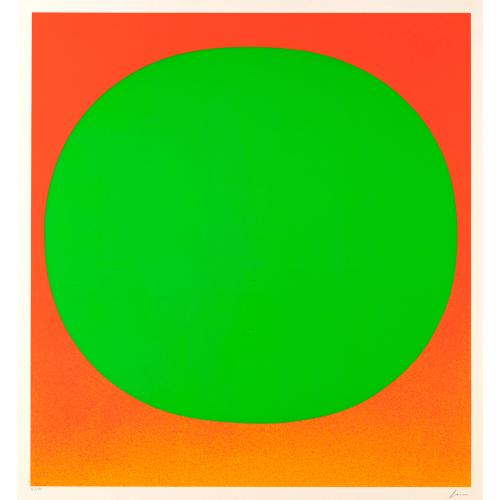
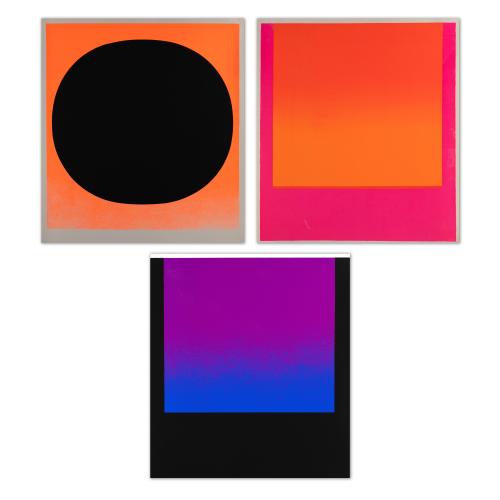
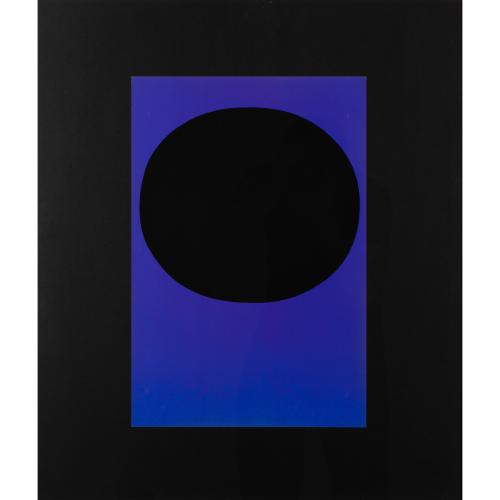
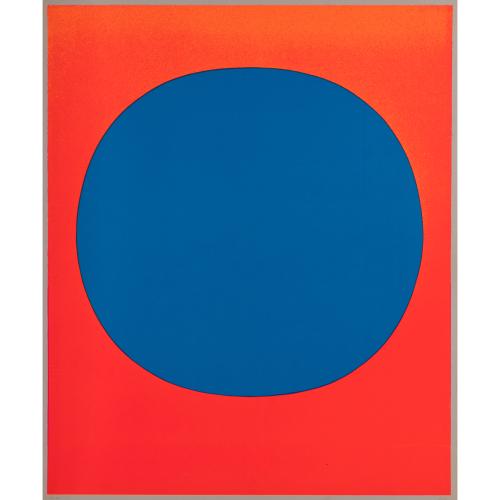
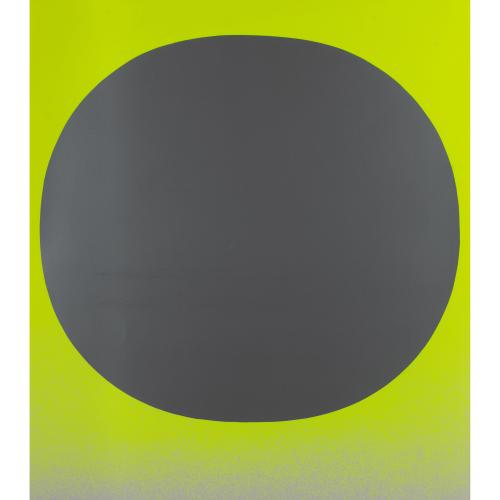
Rupprecht Geiger (1908–2009) was a German architect, abstract painter, and sculptor, and is considered one of the most important representatives of non-representational painting and color field painting in Germany after 1945. His work consistently revolves around the theme of color, which he understood as an autonomous, spiritually effective value, detached from any representational depiction.
Geiger was born on January 26, 1908, in Munich, the son of painter and graphic artist Willi Geiger. After his family spent time in Madrid (1923–1925), he studied architecture at the Munich School of Applied Arts from 1926 to 1929 and continued his education at the State School of Architecture until 1935. In the 1930s, he worked in various Munich architecture firms, including Oswald Eduard Bieber. During World War II, Geiger was deployed to the Eastern Front and worked temporarily as a war painter in Ukraine and Greece, but at the same time pursued a self-taught study of painting. In 1949, he was one of the co-founders of the artist group ZEN 49, which was committed to establishing abstract art in post-war Germany.
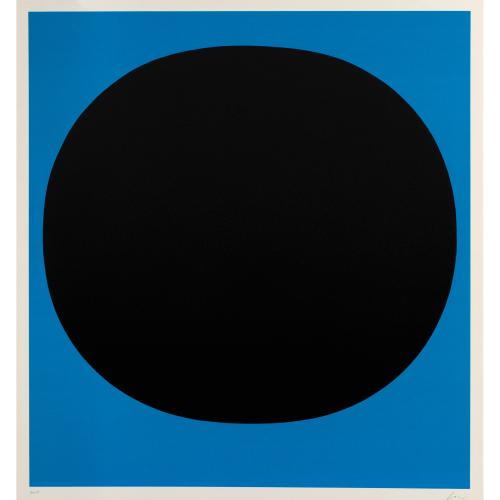
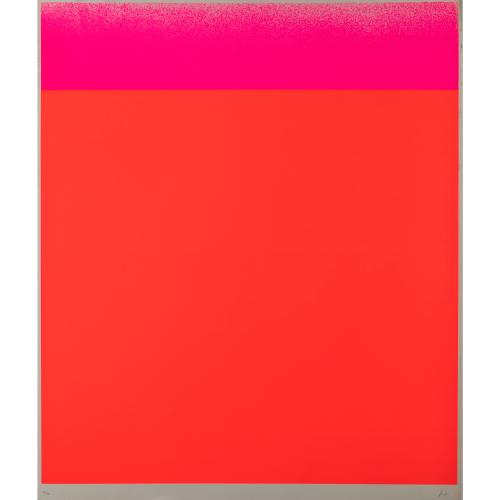
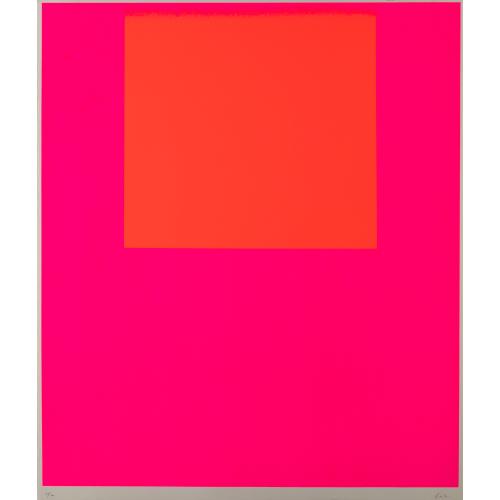
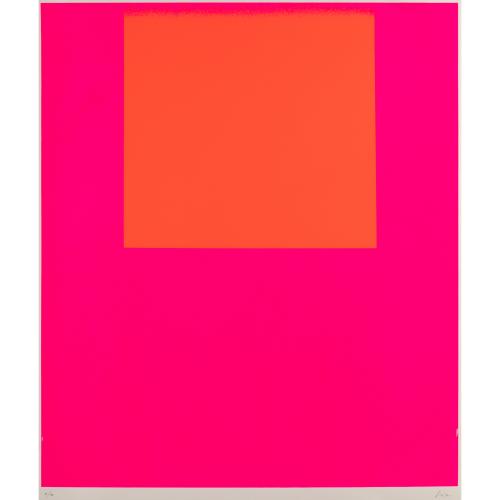
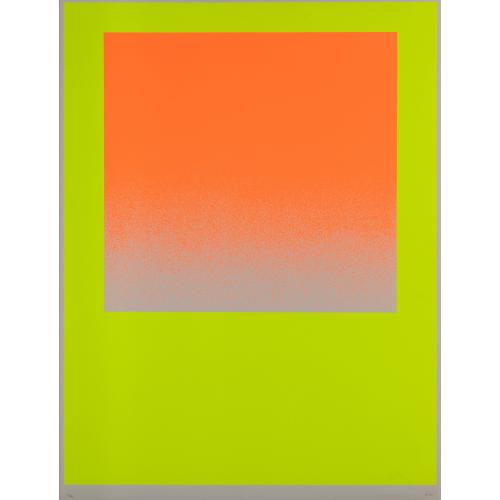
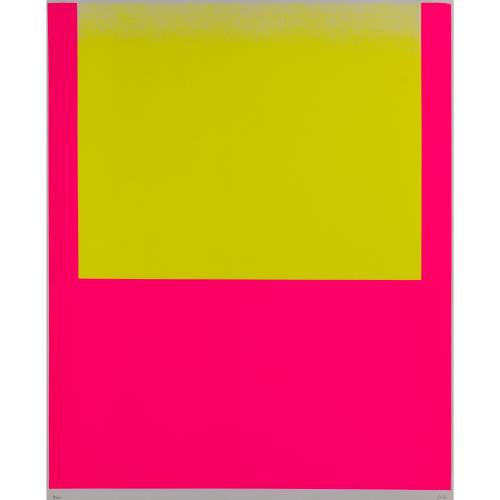
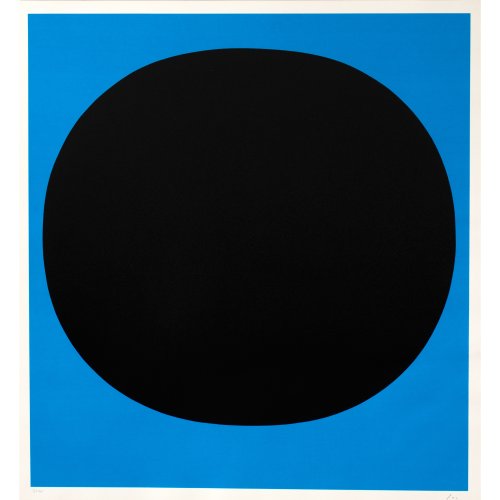
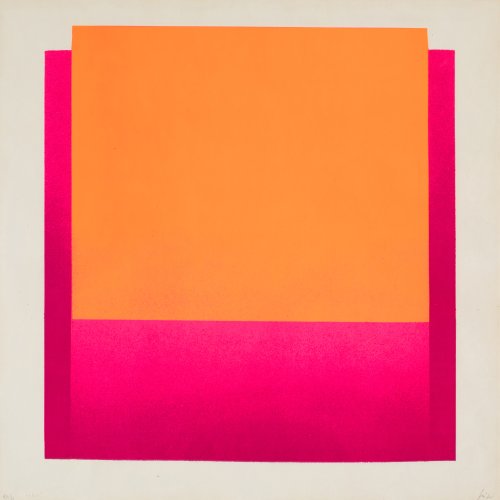
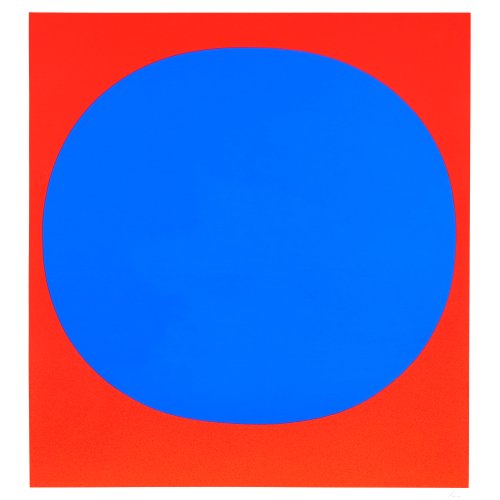
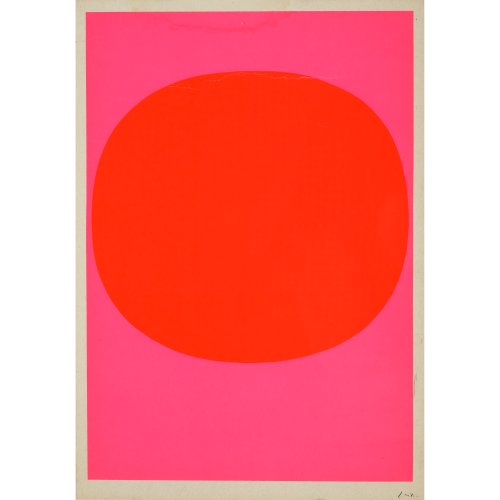
Geiger's oeuvre is characterized by a radical focus on color, which he wanted to emancipate from form. As early as the late 1940s, he experimented with irregularly shaped canvases (“shaped canvases”). Characteristic features include simple geometric shapes and bright, sometimes fluorescent areas of color with strong contrasts. Until the early 1960s, Geiger also worked as a freelance architect, often together with his wife Monika Geiger.
From the 1950s onwards, the color red took center stage in his work, to which he attributed existential and emotional significance. A formative experience was the use of lipstick from a care package after the war, which sparked his fascination with a radiant, incorporeal red. From 1962 onwards, Geiger increasingly developed monochrome color fields. From 1965, he used fluorescent acrylic paints with a spray gun, giving his paintings an almost immaterial luminous effect.
In 1962, Geiger gave up his work as an architect and devoted himself exclusively to painting. From 1965 to 1976, he was a professor at the State Art Academy in Düsseldorf. He was a member of the German Artists' Association and was appointed to the Academy of Arts in Berlin in 1970. In 1976, he established a studio in Munich-Solln, which later became the headquarters of the Geiger Archive. It was there that he created many of his late works.
Rupprecht Geiger died on December 6, 2009, in Munich. Today, he is considered a central figure in German postwar abstraction, whose luminous color fields have had a lasting influence on the exploration of color, light, and space.
Objects by Rupprecht Geiger
-
Sold
-
Sold
-
Sold
-
Sold
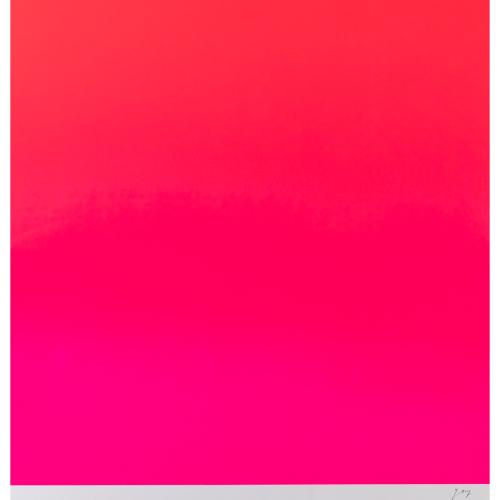
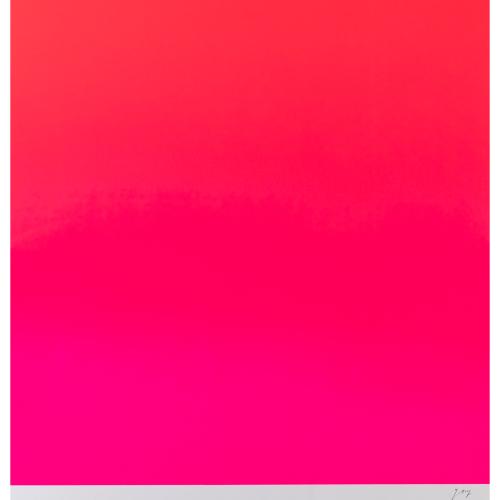
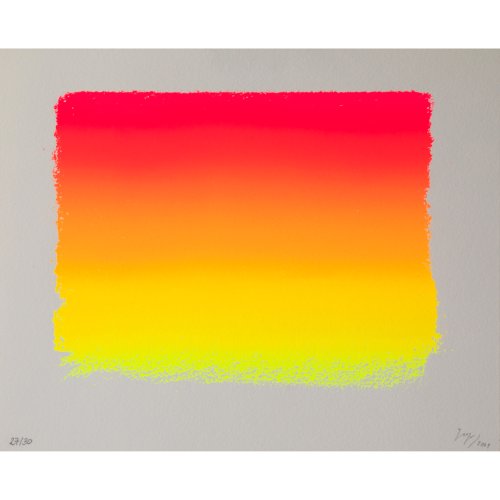
'Leuchtrot warm-dunkel bis hell (verlauf)', 1967
Hammer Price: 769.23 €
-
Sold
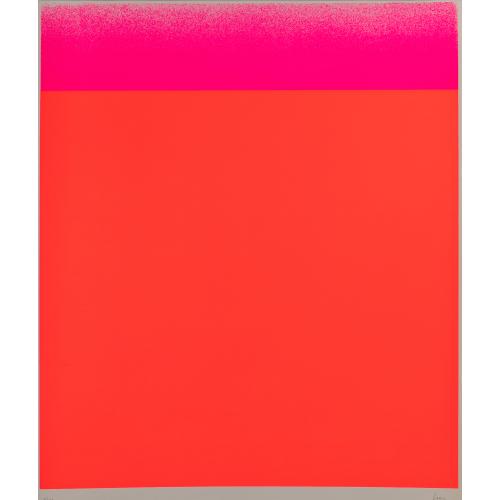
Bright red warm-dark to light (gradient), 1967
Hammer Price: 2,200 €
-
Sold
-
Sold
-
Sold
-
Sold
-
Sold
-
Sold
-
Sold
-
Sold
-
Sold
-
Sold
-
Sold
-
Sold
-
-
Sold
-
Sold
-
Sold
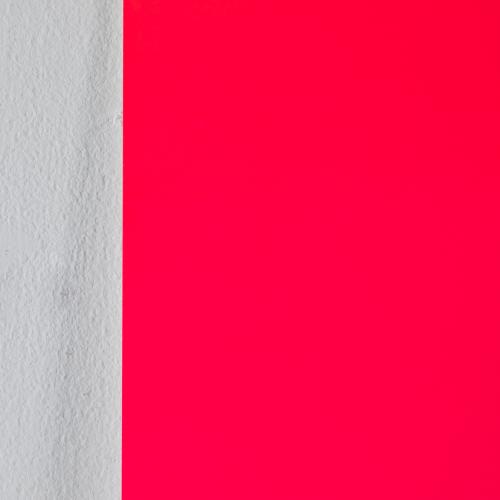
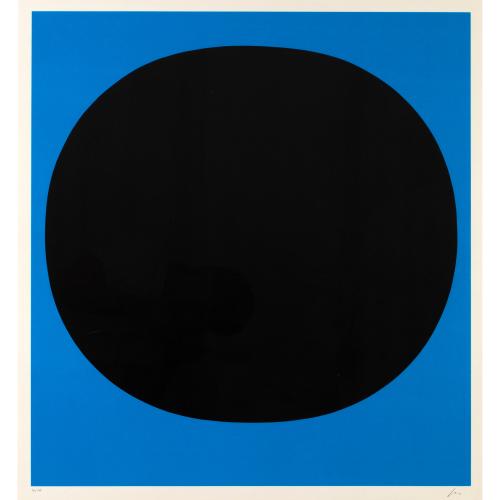
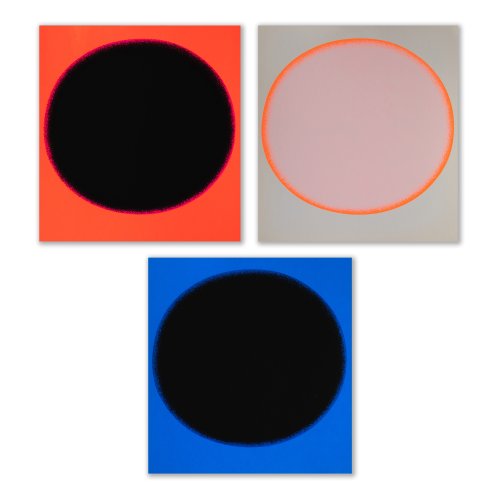
'Rundes Schwarz / Schwarz auf Leuchtrot kalt bis rot-orange', 1968
Hammer Price: 1,500 €
-
Sold
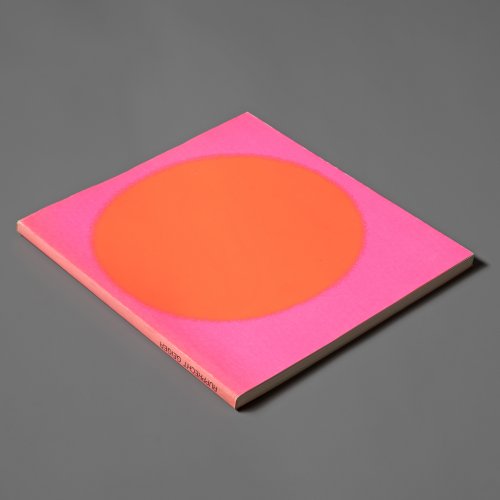
Cat. Rais. 'Rupprecht Geiger Catalogue of Works', 1972
Hammer Price: 1,800 €
-
Sold
-
Sold
-
Sold
-
Sold
-
Sold
-
Sold
-
Sold
-
Sold
-
Sold
-
Sold
-
Sold