
Lot: 37
France, around 1840
Louis Philippe Clock
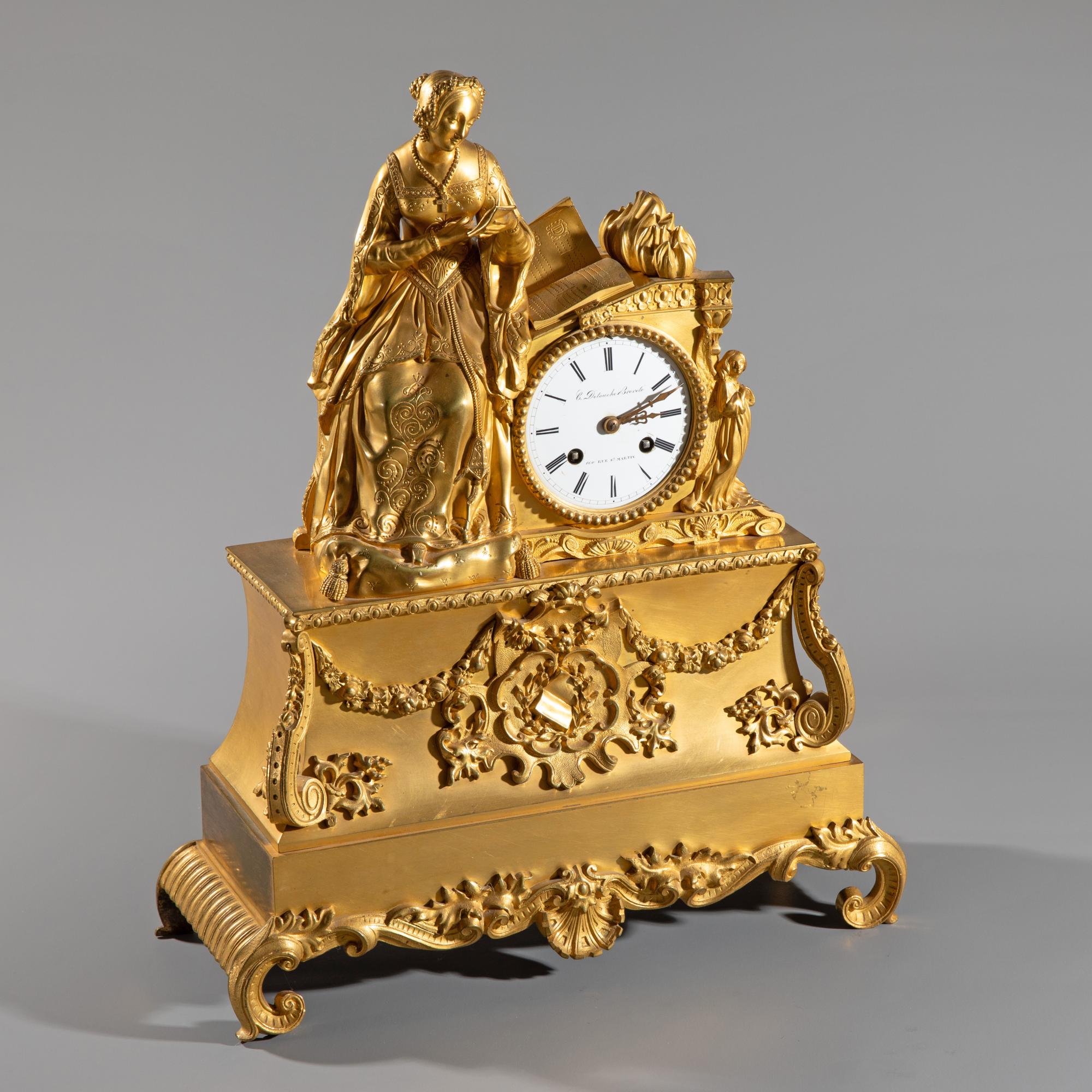
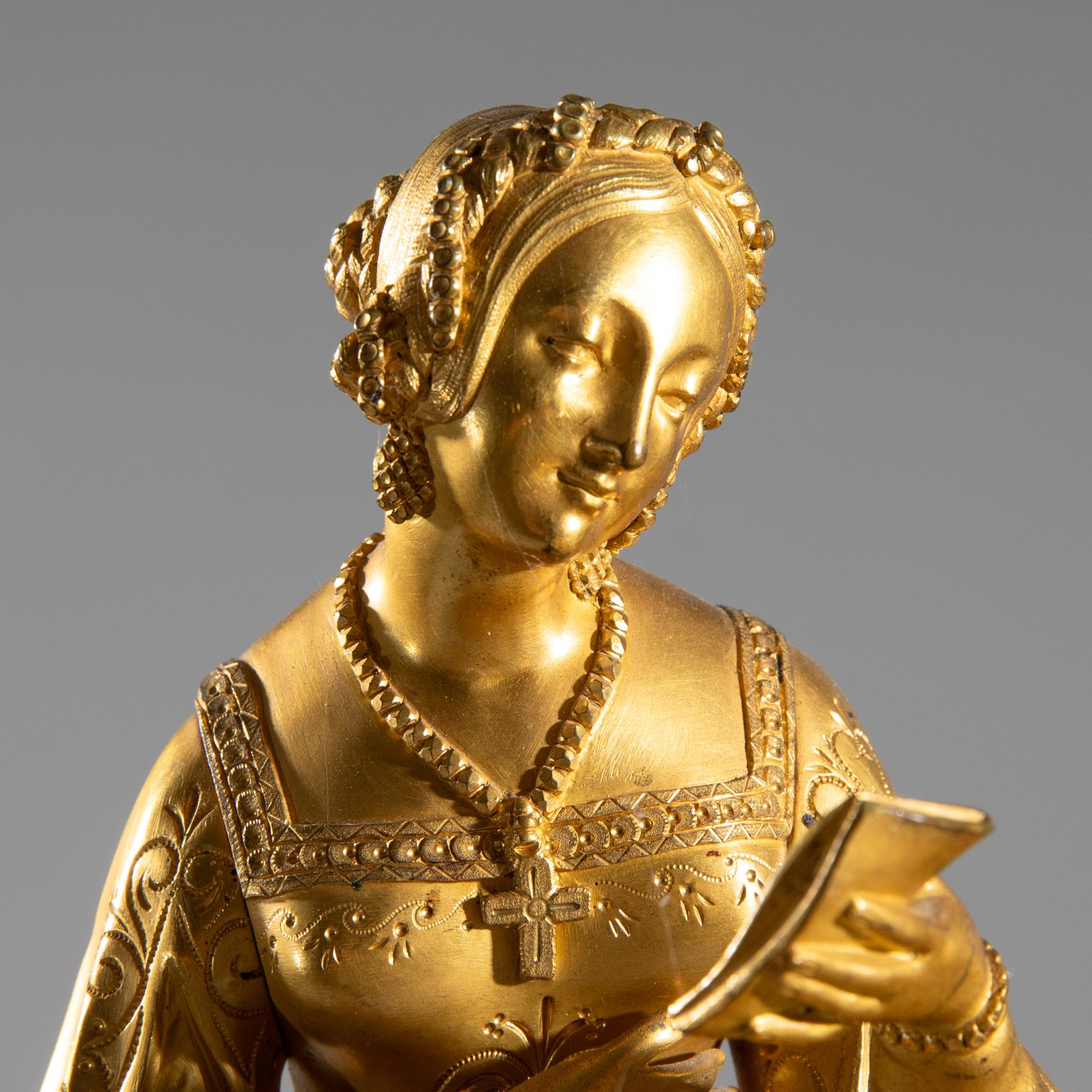
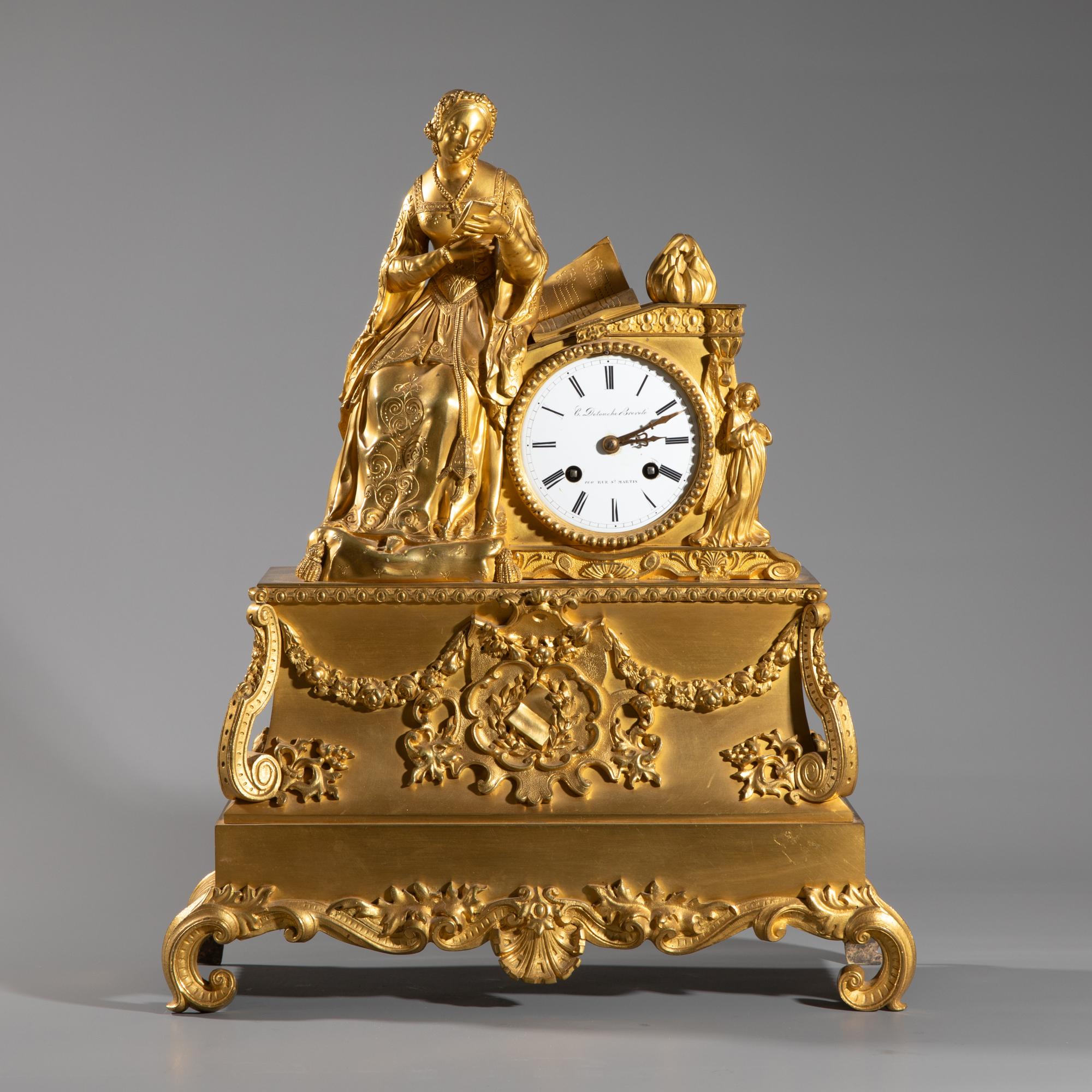
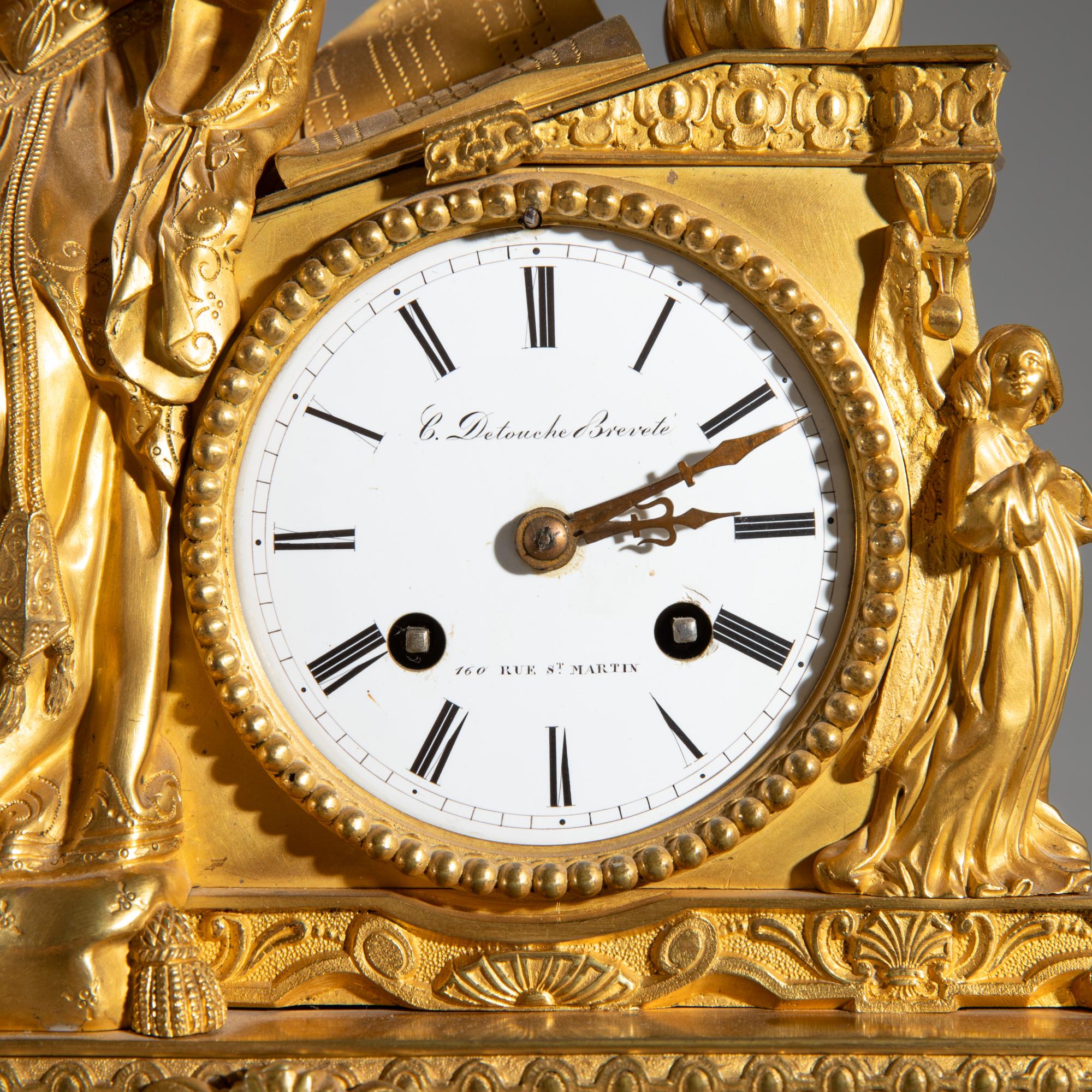
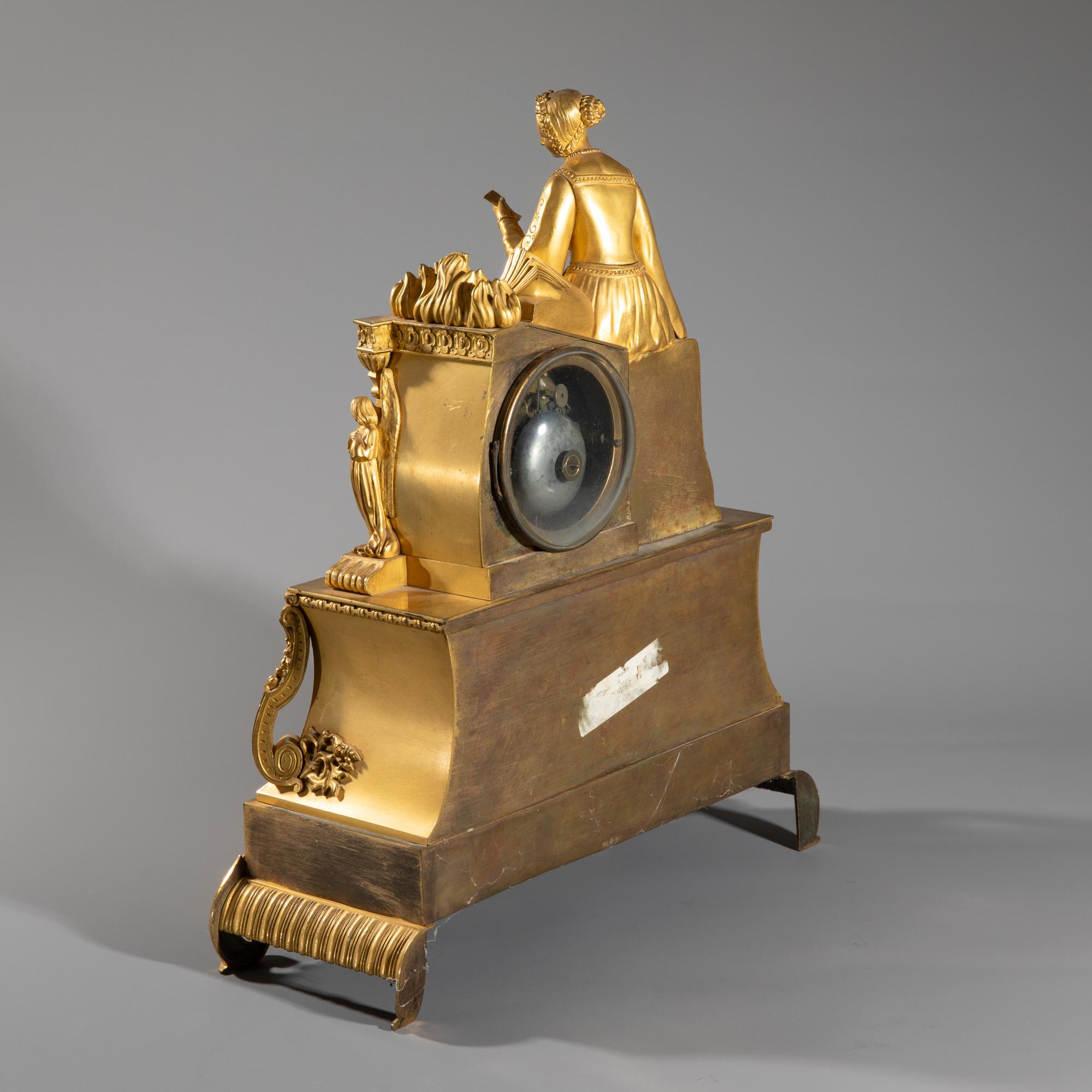
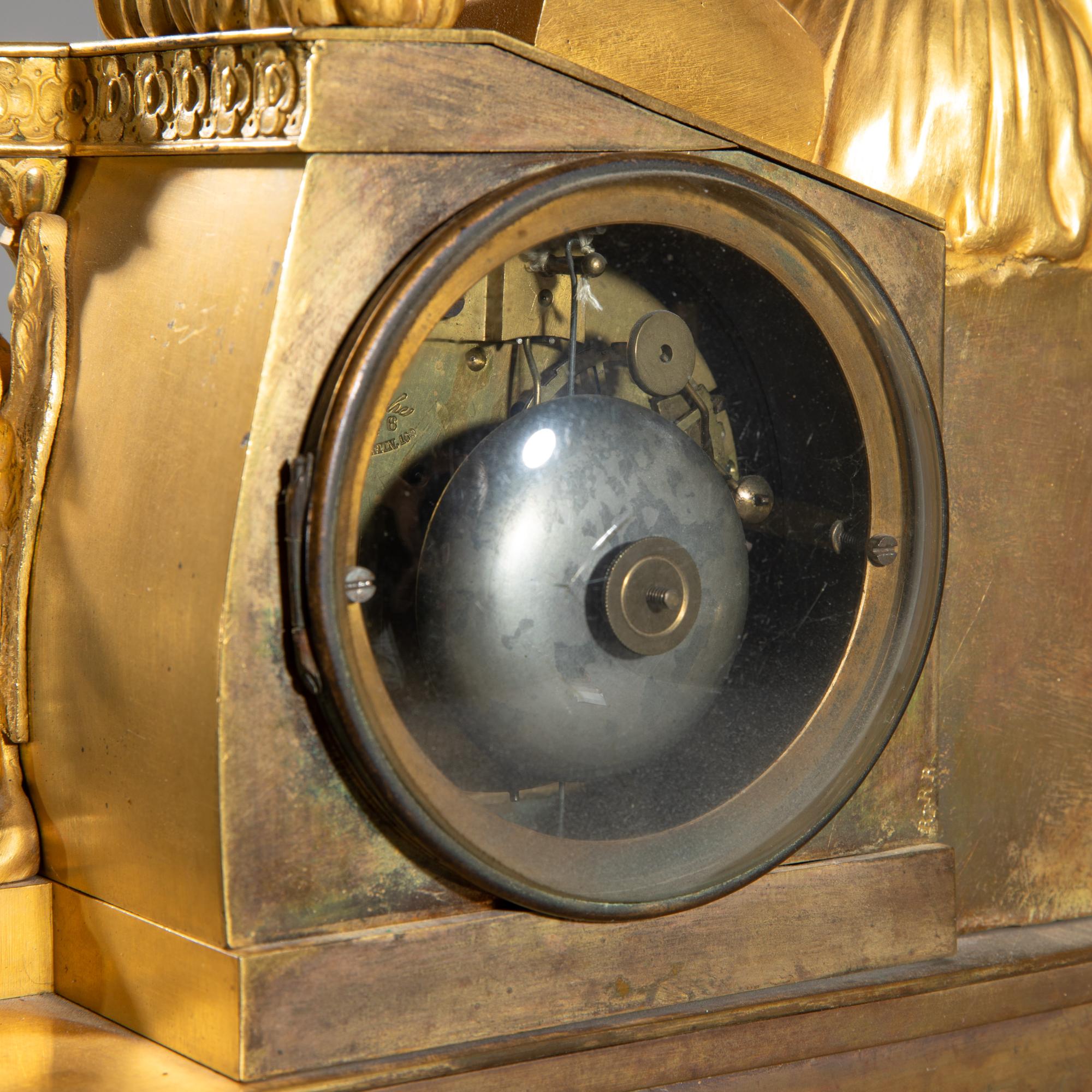
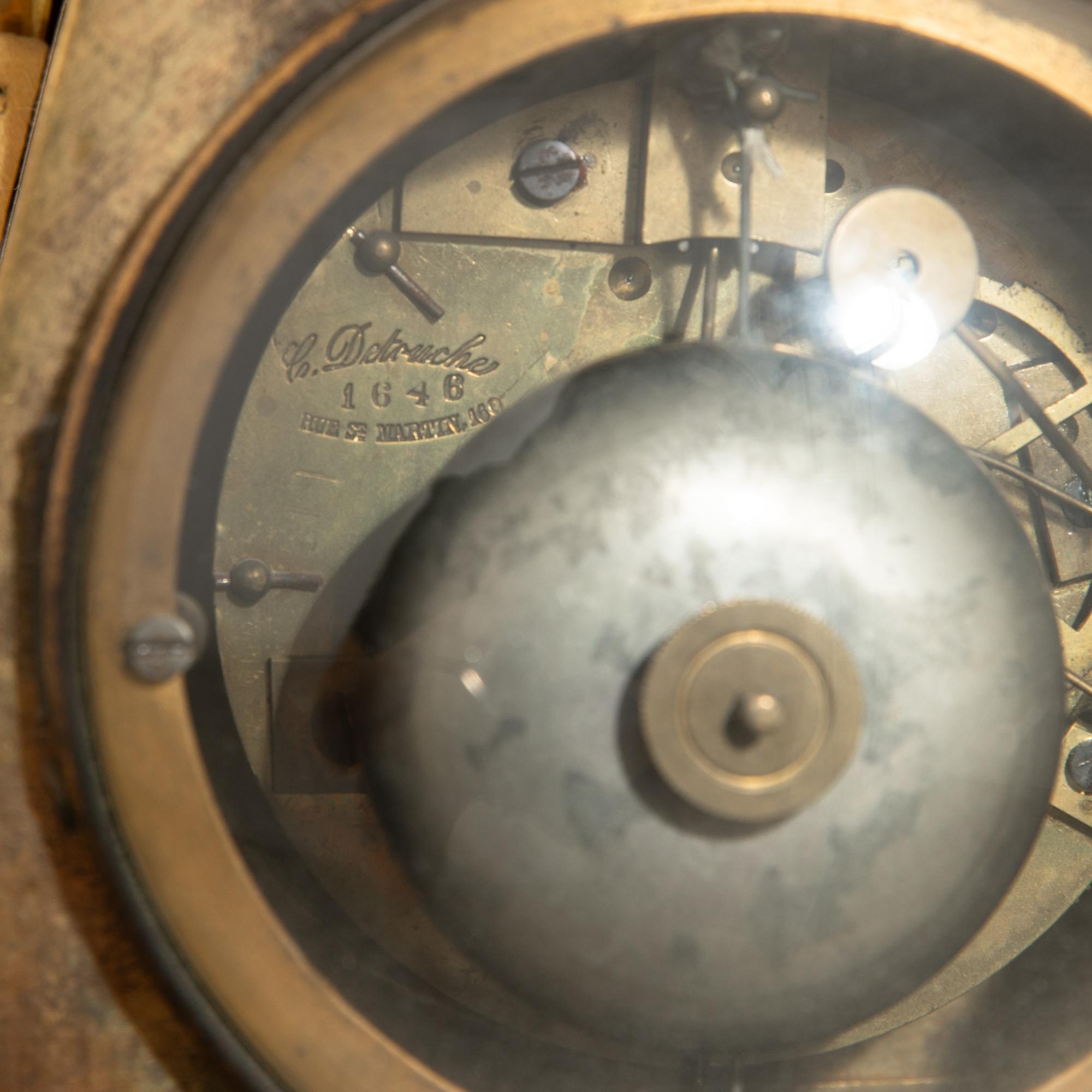
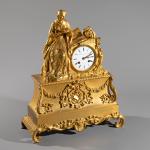
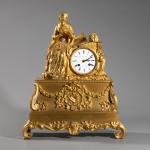
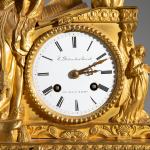
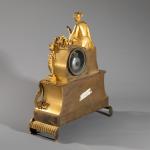
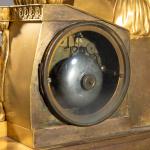
Bronze, chased and fire-gilded. A round clock case with a profile-framed white enamel dial, the latter inscribed "C. Detouche breveté" and "160 Rue St. Martin," rests on a rectangular, concave, curved profile base with raised shell movement and flower garlands. A three-dimensional depiction of a woman in Renaissance costume reading
a breviary, leaning against the clockwork, which is a figuratively decorated lectern with
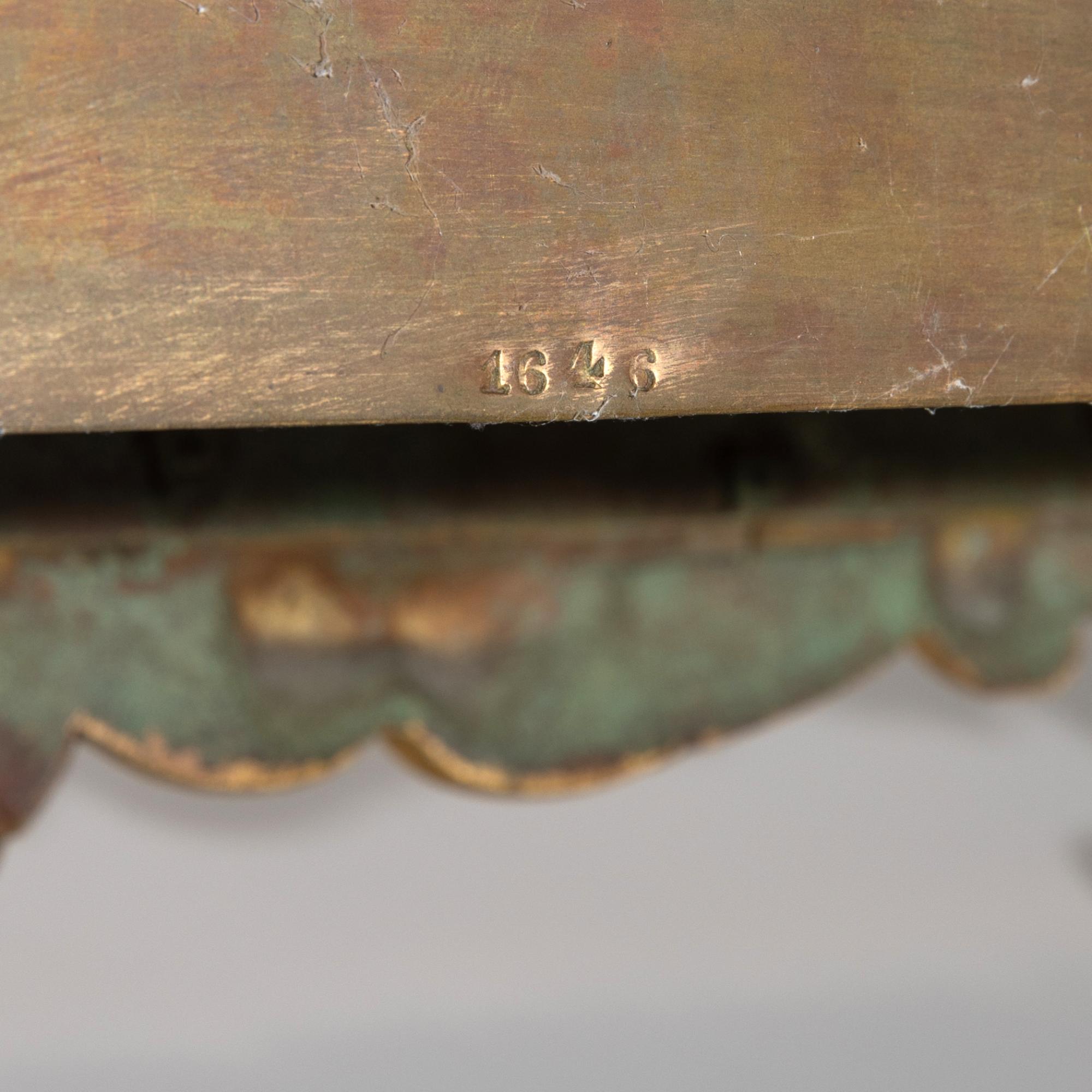
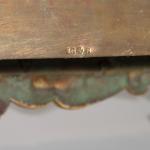
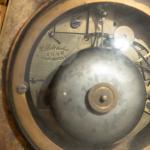
a large, open folio lying on it. A brass pendulum movement with thread suspension, also marked, with a movement number and a half-hour strike on a bell. The clock has not been tested for accuracy. 46 x 36 cm.
Constantin Louis Detouche (1810–1889) was initially trained as a clockmaker by his father, Constantin Detouche, also a clockmaker who specialized in the construction of skeleton clocks. After completing his training, he founded his first business in Paris around 1830, first on Rue de Venise, and soon after at 160 Rue St. Martin, where it remained until his death. In 1845, he managed to gain Jacques-François Houdin, who had worked for many years in Breguet's workshop, as a partner. The collaboration between the two men proved very fruitful, and they subsequently succeeded in developing numerous sophisticated watch mechanisms. After successfully participating in the World Exhibitions in London in 1851 and Paris in 1855, Detouche was appointed 'Horloger de l'Empereur' by Napoleon III. Since then, he also signed his clocks with 'C. Detouche, F (ournis) eur de la ville de Paris' and "C. Detouche Horloger de l'Empereur.' Detouche is also considered the inventor of people counters for tourniquets (rotating access gates), which are still used today for access to markets and stock exchanges. One of his technically unique clocks can be found, among other places, in the 'Musée des Art et Métiers' in Paris.
Provenance: Private collection Düsseldorf
Reserve price: 600 €
Unsold lot
14. November 2025 at 2:00 PM CET
Read our Terms & Conditions.